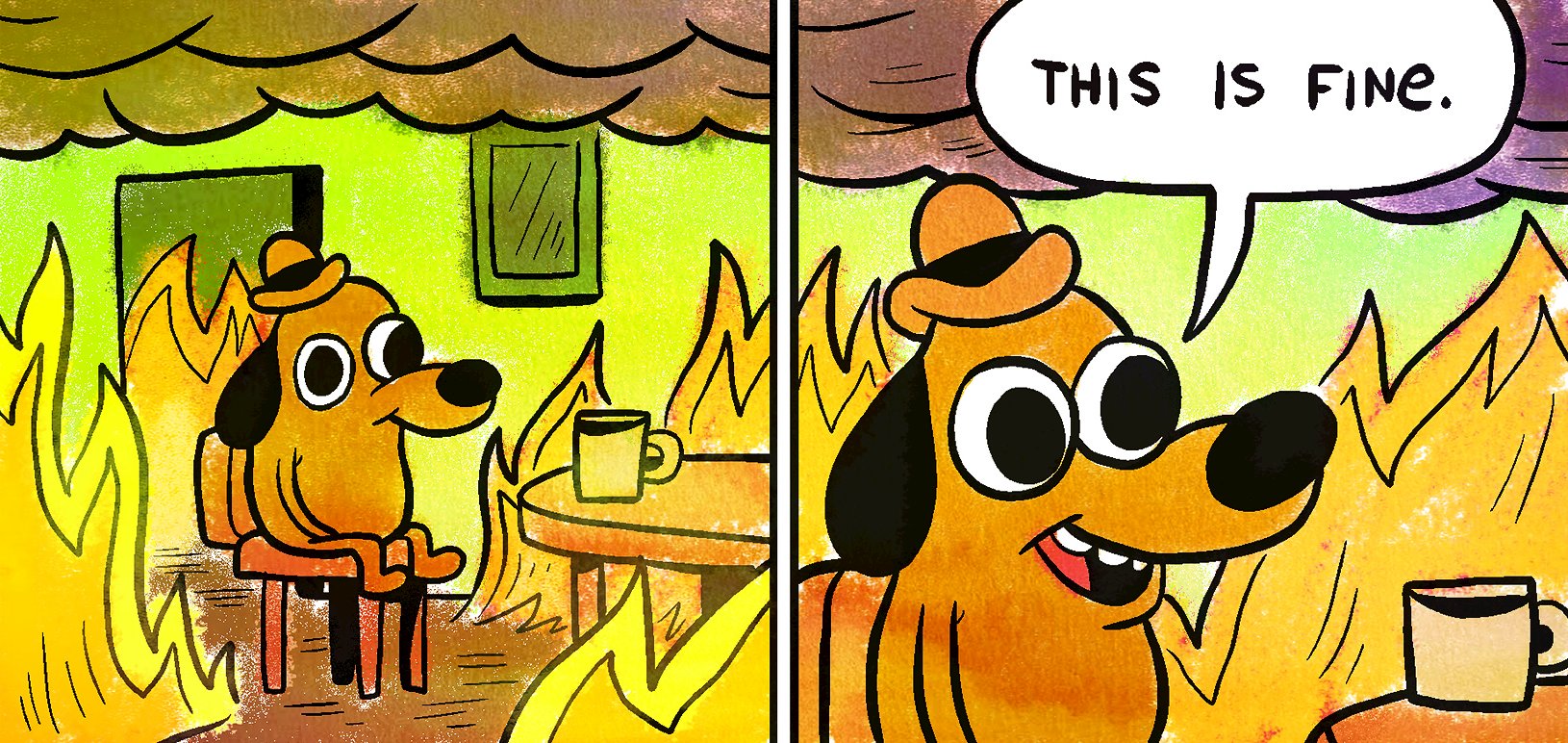
I told my 3-year-old son off the other day for messing around at the top of the stairs. He was being silly, bouncing into the landing wall with a pillow and trying to make his sister laugh. My usual warnings were being ignored so I just left him to it and eventually he stumbled and toppled down the stairs. He came back up crying, rubbing his head. Lesson learned. Reckless parenting perhaps, but he’s stopped messing around for a while. Could the same strategy apply to wind O&M?
Ignored Risks
Often engineers give warning to the powers that be about risks with known serial failures, cracks, life extension strategies, missed maintenance activities, major components without CMS or even generally running a wind farm too lean or too hard. Business cases, reports and recommendations are made but often rejected, with the owners citing budget limitations or lack of resources. Inevitably the thing fails, key people leave, assets fall into disrepair and availability suffers or, worse, the wind farm ends up in the news for a “thermal event” or “blade liberation”. At this point the engineer dusts off his neglected report and looks up corporate parlance for “I told you so.” Suddenly budget becomes available, resource appear from nowhere and turbines get stopped whilst they gather more data on the extent of their exposure.
“I was hoping my initial assessment would be wrong, but these metrics validate the trajectory we predicted.”
Running a wind farm quick and dirty is a legitimate O&M strategy. There are several drivers for “rip it and flip it” such as a short-term power purchase agreement (PPA), subsidies or land lease agreements, repowering at 10 years, reinvestment into newer projects or a limited budget life extension strategy. These strategies are not without risks and are typically optimised for revenue rather than asset value and integrity. Like hiring a car from the airport, you are less likely to care about speedbumps, handbrake turns and burnouts, knowing that providing no visible damage is done, you are not going to be liable for anything. The problem arises when you expect longevity when operating this way. It is unlikely, without proper O&M, servicing, duty of care, record keeping and investment, that your WTG project could be life-extended to 30 years, if it has been treated like an Italian hire car for its whole operational life.

Average Italian Hire Car Experience
Nothing demotivates employees faster than seeing poor performance go unchecked
Bad maintenance and poor investment give a compounded return. Every missed annual service will show problems next year in unscheduled downtime and secondary failures. An unvisited nacelle becomes oily, inspections get missed and technicians have an uphill battle to try to get on top of problems in an industry short of good people. Techs who take pride in their work feel undervalued, overworked and depart, often taking the asset knowledge with them, leaving organisational and documentation gaps. There is a lot more tech engagement chasing over 97% availability bonuses rather than trying to recover a poorly performing site whilst taking a beating from Asset Management.
Some wind turbines were rubbish from the start
There are some machines that are modern classics, the early 2000’s Vestas and Enercon machines. The SWT2.3, hell even the Bonus 1.3’s if well-maintained, are seeing 40 years of operation. Others, such as the Senvion WTGs, Gamesa and everyone’s favourite litigious American OEM are plagued by major component failures. These operators can be excused for not throwing good money after bad and calling it a day at 20 years. I have heard of some 1.5 operators having to make business cases to swap out a failed gearbox. This seems farcical for an operational wind farm, but when you consider eye-watering O&M costs and poor generation, it’s an exercise worth taking time over. Like dead-standing trees awaiting the woodman’s axe, owners pray for fire and an insurance payment rather than costly decommissioning.

With increasing decommissioning costs and bonds falling short are we going to start to see dead standing wind turbines waiting for weather or waves to do the job? Image Credit: International Tree Foundation
Invest early in good data
I visited a wind farm in 2016, which has largely been the inspiration for this article. It was a large site comprising of 2MW turbines and it had a complicated history. At the time, as a young salesperson, I was there to discuss gearbox CMS retrofit whilst under service with the OEM. The gearboxes had planetary stage issues, sun pinion circlip failures and HSS and relied heavily on temperature and inspection to catch failure, in a market which was still developing its refurbishment supply chain.

Final warning of temperature or 350L of gearbox oil dripping down your ladder rungs on the way up to another day in paradise. CMS should be standard.
The case for CMS retrofit remained clear cut. Catch one failure across the wind farm early and you could have paid for the whole project. At the time, the risk was covered by the OEM and the project was canned. Fast forward to 2026, the OEM has gone, a bumpy transition to in-house maintenance is underway and the business case is getting re-tabled. The risk now lies with the owner but the wind farm has aged 10 years, during which time they have been maintained poorly, have limited data and failure rates are high. They are throwing major components at the wind turbines like confetti at a wedding. O&M costs are tightly controlled, and it is likely the life of the wind farm will not be realised. I spoke to the mechanical engineer responsible for this site; he did his job, quantified and qualified the problems, went to the market to find the solutions, built the business case and compiled it all into a lovely report. His warnings were ignored, budget was slashed and he was sent packing. Now he waits for an unplanned failure to click send on his carefully pre-drafted email. In the mean time he is getting 10 years worth of major component work experience in 6 months.

Engineering is all about optimisation
Cost, quality or speed. Pick two, you might get one. If you optimise for cost, then you can forget about quality. A lot of today’s wind turbine failures such as the GE Cypress and the SG5X are a result of a procurement-led strategy, where cost beats quality. The impact of this is these failures are managed in operation after the wind turbines have been sold, whether the OEM is still on the hook for the cost or not. The same happens in O&M with technician and engineering numbers, there isn’t enough resource to properly manage assets. This is as symptomatic of capitalism just as running to failure is. It’s optimised for short term profits rather than project life. How we frame our thinking informs best practice for wind farms. Those wind farms that are organised and plan for the long term outperform those which are firefighting in reactive maintenance. In the ten years that span this article, we have progressed in some areas and repeated mistakes in others. Good access to data, asset understanding and operations and maintenance ensure your asset has the best chance of a long life at high availability figures. However, if you are optimising for short term profits, then expect a shortened project life.

GE Cypress blade failures. Credit: Recharge


Leave a comment